The rapid evolution of modern home entertainment has completely transformed how households across America consume live television. Over the past few years, the demand for high-quality IPTV streaming in the USA has surged as consumers look for cost-effective, cable-free alternatives. However, as cord-cutting becomes the primary standard across the United States, American viewers are frequently confronted with a bewildering landscape of overlapping technical jargon. Terms like Google TV, YouTube TV, Amazon Fire TV, and IPTV are routinely conflated, used interchangeably in marketing campaigns, and fundamentally misunderstood by everyday consumers.
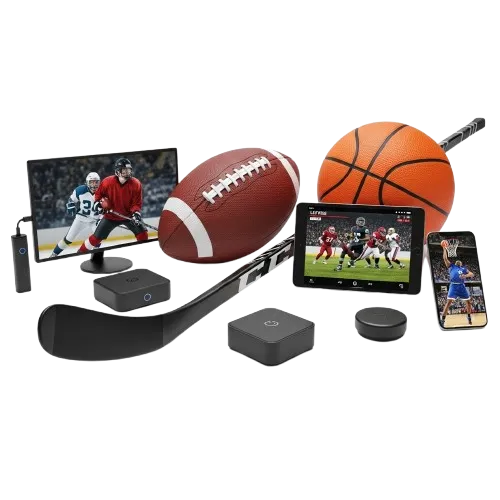
To establish absolute clarity from the outset: these four names represent fundamentally different categories of streaming technology, hardware, operating systems, and service delivery. IPTV is an underlying transmission architecture that delivers televised content over internet protocol networks rather than traditional coaxial cables or broadcast frequencies. Google TV is a smart operating system and content discovery layer developed by Google to organize applications on smart televisions and streaming dongles. YouTube TV is an individual, subscription-based virtual multichannel video programming distributor (vMVPD) owned by Google that broadcasts licensed networks in real time. Meanwhile, Amazon Fire TV is Amazon’s dedicated ecosystem of hardware streaming players—most notably the Amazon Fire TV Stick—powered by Fire OS. When setting up IPTV streaming in the USA, confusing an operating system with a subscription service, or an underlying network protocol with a physical media player, leads to misguided purchasing decisions and frustrating playback issues.
This authoritative 2026 guide establishes a comprehensive breakdown of each platform. We analyze their underlying engineering, legal and distribution frameworks, hardware compatibility, network bandwidth prerequisites, and practical setup procedures so American households can assemble the ideal home entertainment configuration.
What Is IPTV and How Does It Work in the USA?
At its foundational engineering level, IPTV stands for Internet Protocol Television. Unlike traditional terrestrial broadcasting via digital antennas, satellite dishes receiving orbital radio frequencies, or physical cable infrastructure transmitting signals through closed coaxial networks, IPTV delivers television programming entirely through standard internet protocol packet switching.
For millions of households adopting IPTV streaming in the USA, this technology operates on a unicast or multicast client-server model. When a viewer selects a program, channel, or video stream on an IPTV-enabled application, a digital request packet is routed across the internet to the streaming host’s edge server. The server responds by delivering that specific media stream in packetized chunks—typically encoded using modern video compression standards such as H.264 (AVC) or H.265 (HEVC)—directly to the subscriber’s client application, which assembles and decodes the video frames on the fly.
IPTV frameworks generally encompass three primary content formats:
- Live Television: Real-time streaming of live broadcasts, including 24/7 news networks, premium live sports coverage, and localized broadcast network affiliates with minimal latency.
- Time-Shifted Media and Catch-Up TV: The technical ability for viewers to replay live broadcasts that aired hours or days prior, pause ongoing live streams, or restart a show currently in progress.
- Video on Demand (VOD): A comprehensive catalog of stored movies, episodic series, documentaries, and recorded entertainment that users can browse and watch instantly on demand.
It is vital to recognize that IPTV is an open technological transmission standard, not an inherent statement of legality or brand licensing. Telecommunications giants such as AT&T and Verizon operate legal IPTV delivery architectures. However, third-party standalone services exist throughout the global marketplace. The legal standing of any specific service for IPTV streaming in the USA is strictly determined by its copyright licensing agreements and lawful distribution rights. For American consumers evaluating digital television, understanding this technical distinction prevents deceptive assumptions and clarifies service expectations.
What Is Google TV and How Does It Relate to IPTV?
Introduced to modernize Android TV, Google TV is not a stand-alone television channel, nor is it a monthly paid broadcast subscription. Instead, Google TV is a proprietary smart TV software platform and content-aggregation user interface developed by Google. It operates as the front-end operating environment on devices such as the Chromecast with Google TV, Google TV Streamer (4K), and integrated smart televisions produced by leading manufacturers including Sony, TCL, Hisense, and Philips.
The primary engineering objective of Google TV is content curation. Rather than forcing viewers to open individual streaming applications to search for titles separately, Google TV utilizes machine-learning algorithms to aggregate movies, live channels, and episodic series from multiple services into a unified home dashboard. For users interested in IPTV streaming in the USA, Google TV provides seamless native access to the Google Play Store, allowing installation of top-rated media player clients like TiviMate, IPTV Smarters Pro, and XCIPTV.
For more detailed technical documentation and device compatibility specifications, consult the official Google TV platform documentation and official Google TV Help Center.
What Is YouTube TV?
While Google TV is an operating system interface, YouTube TV is a standalone, premium subscription live television service owned and operated by Google. In industry terminology, YouTube TV is classified as a virtual Multichannel Video Programming Distributor (vMVPD). It was specifically designed to replace traditional Comcast Xfinity, Spectrum, Cox, or DirecTV subscriptions by streaming over 100+ linear broadcast and cable networks directly over your home broadband connection.
A YouTube TV subscription provides lawful access to live feeds of major American broadcast networks (ABC, CBS, NBC, and FOX), cable staples (ESPN, FS1, CNN, MSNBC, TNT, TBS, USA Network), and regional live programming across virtually every designated market area (DMA) in the United States. Many consumers who compare YouTube TV with third-party IPTV streaming in the USA find that while YouTube TV offers domestic broadcast packages, dedicated IPTV services provide broader international channel rosters and specialized sports feeds.
For official channel lineups and pricing models, visit the official YouTube TV Portal and review their supported device compatibility directory.
What Is Amazon Fire TV and Fire TV Stick?
Amazon Fire TV represents Amazon’s dedicated ecosystem of digital streaming media players, microconsoles, and integrated smart television software. The flagship form factor within this hardware lineup is the Amazon Fire TV Stick, available in multiple iterations including the Fire TV Stick HD, Fire TV Stick 4K, Fire TV Stick 4K Max, and the flagship hands-free Fire TV Cube.
Physical Fire TV devices connect directly to a television’s HDMI port, transforming any standard monitor into an internet-connected smart entertainment center. The underlying software driving all Fire TV hardware is Fire OS, an operating system engineered by Amazon that utilizes an open-source Android foundation. In the American market, the Fire TV Stick has established itself as the undisputed premier hardware platform for IPTV streaming in the USA due to its strong hardware video decoding, affordable pricing, and flexible developer settings.
Technical specifications and hardware troubleshooting guides are available directly via the official Amazon Fire TV hardware page and the official Amazon Customer Support Help Center.
IPTV vs. Google TV vs. YouTube TV vs. Fire TV: Complete Comparison
The comparative analysis below outlines product categorization, engineering role, content delivery mechanism, subscription models, and ecosystem flexibility for American viewers evaluating their digital entertainment options:
| Feature / Dimension | IPTV (Protocol / Technology) | Google TV (OS / Aggregator) | YouTube TV (vMVPD Service) | Amazon Fire TV (Hardware / Ecosystem) |
|---|---|---|---|---|
| Core Classification | Network Transmission Architecture | Operating System & Smart UI | Licensed Live TV Streaming Service | Physical Media Players & Fire OS |
| Primary Function | Delivers media packets over internet protocol | Discovers & organizes installed applications | Replaces traditional cable/satellite packages | Renders digital audio/video to display screens |
| Hardware Required | None inherently (Runs on apps/devices) | Chromecast, Google TV Streamer, Sony TVs | Any internet-connected smart screen/player | Fire TV Stick (Lite, 4K, 4K Max, Cube) |
| Subscription Model | Varies by individual service provider | Free OS (Included with hardware purchase) | Paid monthly recurring subscription (~$72.99+) | One-time hardware purchase cost |
| Content Access | Live TV, VOD, and Catch-up streams | Aggregates third-party app catalogs & FAST | 100+ live broadcast & cable US networks | Access to Amazon Appstore & streaming apps |
These four platforms interact collaboratively within a connected media stack. An American household might purchase an Amazon Fire TV Stick 4K (Hardware), navigate through Fire OS, and configure a dedicated IPTV player using a high-reliability, anti-freeze provider like IPTV US for crystal-clear 4K sports and entertainment.
Complete Guide to IPTV Streaming in the USA on Smart Devices
Setting up IPTV streaming in the USA across modern streaming hardware is straightforward when using verified media player clients. Because devices running Google TV and Fire OS share an Android foundation, users can install dedicated player apps that communicate directly via Xtream Codes API or M3U playlists.
Key Steps for Configuring IPTV on Google TV & Firestick:
- Select a Benchmark Player App: Install TiviMate IPTV Player for a cable-style program guide, or IPTV Smarters Pro for multi-device flexibility.
- Connect to High-Speed Servers: Use an established provider with enterprise anti-freeze CDN technology such as IPTV US™ to ensure zero buffering during high-demand live sporting events.
- Synchronize the Electronic Program Guide: Load your Xtream Codes API server address, username, and password to automatically map television schedules across all US broadcast channels.
For a detailed device walkthrough, consult our step-by-step tutorial on how to install and configure IPTV on Firestick or read our in-depth comparison of the best IPTV player for Android TV.
Internet Speed and Troubleshooting for IPTV Streaming in the USA
To enjoy uninterrupted 4K Ultra HD video without buffering, local network performance is vital. Live streaming transmits continuous real-time video packets that require low network latency and stable throughput.
- Speed Requirements: Maintain a minimum of 25 Mbps download speed for 1080p live streams, and 50 Mbps dedicated bandwidth for 4K UHD broadcasts.
- Connect to 5 GHz Wi-Fi: Always connect your streaming device to the 5 GHz Wi-Fi band or use an official Ethernet adapter to avoid 2.4 GHz interference.
- Clear Application Cache: Regularly clear your media player’s cache memory in settings to ensure smooth navigation and fast channel switching.
Frequently Asked Questions (FAQ)
What is the core difference between IPTV and YouTube TV?
IPTV is the underlying technology of transmitting television signals over internet protocol networks. YouTube TV is a specific commercial subscription service owned by Google that licenses and distributes broadcast channels over the internet.
Can I use an IPTV subscription on my Google TV device?
Yes. Google TV devices feature full access to the Google Play Store, where you can download top-rated IPTV player clients like TiviMate, IPTV Smarters Pro, and XCIPTV.
Do I need an Amazon Firestick if my TV already has Google TV?
No, you do not need both. If your smart TV already runs Google TV smoothly, there is no technical requirement to purchase an Amazon Fire TV Stick unless you prefer Fire OS.
Is IPTV streaming in the USA legal?
IPTV technology itself is entirely legal and utilized by major telecommunications companies nationwide. The legal status of any specific IPTV service provider depends entirely on whether that provider possesses lawful copyright distribution agreements and broadcast licenses for the content it transmits within the United States.
Why does my IPTV buffer during major live sporting events?
Buffering is typically caused by overloaded provider servers or local ISP bandwidth throttling. Using an anti-freeze provider with CDN infrastructure like IPTV US and testing with a VPN typically resolves this issue.
Can I watch local US channels on an IPTV service?
Yes. Reputable IPTV services that cater to the US market provide full regional broadcast coverage, including local ABC, CBS, NBC, and FOX affiliates across major metropolitan areas.
What is an M3U playlist and Xtream Codes API?
An M3U playlist is a plain text file containing streaming addresses. Xtream Codes API is a database protocol allowing IPTV apps to log in with a server URL, username, and password, syncing all channels and EPG data automatically.
How much internet speed is needed for 4K IPTV?
For consistent 4K Ultra HD streaming without stuttering, a steady download speed of at least 25 to 50 Mbps per active streaming screen is recommended, paired with a stable 5 GHz Wi-Fi or wired Ethernet connection.
Final Thoughts: Elevating Your IPTV Streaming in the USA
Navigating the modern television landscape no longer requires being trapped by expensive, long-term cable contracts. By understanding the distinct roles played by IPTV technology, Google TV software, YouTube TV services, and Amazon Fire TV hardware, American households can architect an entertainment setup customized precisely to their viewing habits and budget.
Whether you choose to combine the intuitive interface of Google TV with free streaming channels, subscribe to YouTube TV for domestic cable news, or harness the speed of an Amazon Fire TV Stick 4K with a premium anti-freeze provider like IPTV US™, the future of home entertainment has arrived. Experience crystal-clear IPTV streaming in the USA tailored for 2026 and beyond.
One Response